Shadman Comics: History, Style, and Lasting Online Impact
Introduction
Shadman comics have remained one of the internet’s most controversial comic collections for more than a decade. Created by the artist known online as Shadman (Shaddai Prejean), these webcomics became widely recognized for their detailed digital artwork, dark humor, parody, and highly explicit adult themes. While some readers praised the artist’s technical drawing skills, many others strongly criticized the content for crossing ethical and social boundaries. Today, discussions about Shadman comics focus less on the artwork itself and more on their impact on online culture, artistic freedom, and the responsibilities that come with creating digital content. Understanding this history provides important context for anyone researching the topic.
What Are Shadman Comics?
Shadman comics are a collection of adult-oriented webcomics and illustrations created by Swiss-born artist Shaddai Prejean, better known by his online name Shadman. Beginning around 2009, he gained popularity through websites such as Newgrounds before launching his own platform, Shadbase. His work combined comic storytelling with fan art, internet memes, parody, and explicit illustrations inspired by popular games, movies, television shows, and celebrities. The comics quickly attracted attention because of their distinctive drawing style and willingness to explore subjects that many audiences considered shocking or offensive. This combination made the creator both famous and highly controversial across multiple online communities.
The Early Rise of the Artist
During the early 2010s, digital art communities experienced rapid growth, creating opportunities for independent artists to build large audiences without traditional publishers. Shadman benefited from this trend by regularly publishing artwork and interacting with fans through internet forums and social media. His illustrations displayed strong anatomy, expressive characters, and polished digital painting techniques that appealed to many aspiring artists. However, his reputation grew just as much because of controversial subject matter as it did because of artistic ability. Over time, debates surrounding his work became nearly impossible to separate from discussions about his technical skills and online popularity.
Artistic Style and Creative Approach
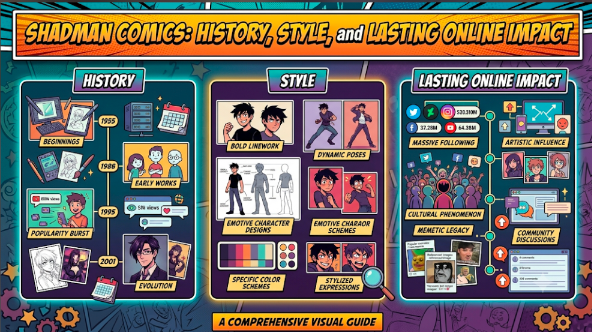
One reason Shadman comics became widely recognized was the artist’s distinctive visual style. His illustrations featured bold line work, expressive facial expressions, dramatic lighting, and highly detailed digital coloring. Many comics mixed exaggerated humor with horror-inspired imagery and internet satire. The storytelling often relied on parody, unexpected twists, and references to current pop culture events, making the content immediately recognizable to online audiences familiar with gaming, animation, and internet memes. Even critics frequently acknowledged the creator’s technical drawing ability while disagreeing with the themes explored in the artwork.
Common Themes Found in the Comics
The stories often combined dark comedy, satire, fantasy, horror, and parody of well-known fictional characters. Many works referenced trending internet topics or celebrities, helping them spread rapidly across online communities. However, the artist also created material that generated widespread criticism because it depicted subjects that many people considered deeply inappropriate or offensive. These choices significantly affected public perception and ultimately became the defining aspect of the creator’s reputation rather than the artistic techniques themselves.
Why Shadman Comics Became So Controversial
The biggest reason behind the lasting attention surrounding shadman comics is controversy. The creator repeatedly produced explicit illustrations involving fictional characters, celebrities, and material that many viewers considered unacceptable. Some works drew especially strong condemnation because they appeared to depict minors in sexual contexts, leading to widespread criticism from artists, online communities, and commentators. As internet standards evolved, many platforms strengthened their moderation policies, reducing the visibility of similar content. Public discussions increasingly focused on ethics, accountability, and the responsibilities of creators with large audiences rather than simply debating artistic freedom.
Influence on Internet Culture
Despite ongoing criticism, the creator’s work became part of internet history because of its widespread circulation. References to Shadman appeared across forums, meme communities, gaming discussions, and reaction images. In many online spaces, simply mentioning the artist’s name became shorthand for describing extremely controversial digital artwork. Over the years, internet users created countless memes, discussions, and commentary videos examining both the comics and the creator’s reputation. This lasting visibility demonstrates how controversial online content can continue influencing digital culture long after its original publication.
Community Reactions Over Time
Public opinion shifted considerably over the years. Earlier audiences often discussed the artwork mainly for its shock value, while more recent conversations have focused on ethical concerns and the broader impact of controversial creators. Many online communities now discourage sharing or promoting the material, and discussions usually examine the creator’s influence from a historical or cultural perspective rather than celebrating the work itself. This change reflects evolving community standards and greater awareness of responsible online behavior.
Legal Issues and Public Attention
Beyond artistic debates, Shadman attracted additional public attention because of reported legal issues unrelated to the publication of comics. News surrounding criminal charges involving assault further damaged the creator’s public image and increased media coverage. At the same time, renewed interest emerged whenever internet personalities or influencers were connected to past interactions with the artist, creating additional waves of online discussion. These events reinforced the controversial reputation that already surrounded the creator and contributed to continued public curiosity years after his most active publishing period.
Should People Read Shadman Comics Today?
Anyone researching shadman comics should understand that the material is intended only for adults and has been widely criticized for its explicit and controversial nature. Readers interested in internet history, digital art culture, or online controversies may encounter references to the creator while studying webcomic history. However, many people choose not to engage with the original material because of its content and the ethical concerns surrounding it. Learning about the creator through balanced reporting and historical summaries often provides enough context without viewing the original works directly.
Conclusion
Shadman comics occupy a unique place in internet history because they combined notable digital art skills with some of the most controversial creative decisions seen in online comic culture. The creator’s work sparked debates about artistic expression, internet responsibility, community standards, and the long-term consequences of provocative content. Although the comics continue to be discussed across forums and media, they are remembered primarily for controversy rather than storytelling. Understanding their background helps explain why the artist remains a widely recognized and frequently debated figure in discussions about digital art and internet culture.
Whether you’re exploring manga platforms, searching for reliable website reviews, or staying updated with the latest technology and online trends, Myreadignmnaga provides clear, accurate, and reader-focused content you can trust.
FAQs
1. Who created Shadman comics?
Shadman comics were created by Swiss-born digital artist Shaddai Prejean, commonly known online as Shadman. He became popular through internet art communities before publishing work on his website, Shadbase.
2. Why are Shadman comics controversial?
They became controversial because many works included explicit adult material, offensive parody, and content widely criticized for depicting inappropriate subjects involving fictional and real-world figures.
3. Are Shadman comics suitable for everyone?
No. The comics contain explicit adult material and controversial themes. They are not appropriate for children or readers seeking general entertainment or mainstream comic storytelling.
4. Is Shadman still active online?
The artist’s public activity has significantly decreased compared to earlier years. Most current discussions focus on past work, controversies, and internet history rather than new comic releases.
5. Why do people still discuss Shadman comics?
The comics remain a topic of discussion because of their lasting influence on internet culture, recurring controversies, and their role in conversations about online ethics, digital art, and community standards.